Okay, so check this out—I’ve been messing with Solana wallets for years, and the Phantom browser extension keeps pulling me back. Whoa! It’s fast, slick, and just feels… modern. My instinct said at first that it was all hype, but then I started using it for everyday trades, NFTs, and small DeFi moves, and it stuck. Initially I thought extensions were risky, but then I noticed Phantom’s focus on UX and clear permission prompts—though actually, wait—UX isn’t a substitute for vigilance.
Here’s the thing. Extensions live in your browser, so one bad click can be costly. Seriously? Yes. But Phantom gives you a clear seed phrase flow, per-site permission controls, and a straightforward ledger integration path if you want hardware-level safety. On one hand it’s very convenient; on the other, convenience breeds complacency. I’m biased toward tools that make crypto usable without being dangerous, and Phantom mostly fits that bill—somethin’ about the balance feels right, though it’s not perfect.
I want to walk you through why the extension matters, how I use it, and the guardrails you should set up before you ever hit „connect.” I’ll flag what bugs me, show some quick wins, and leave a few questions that still nag me.
Quick snapshot: What Phantom extension actually does
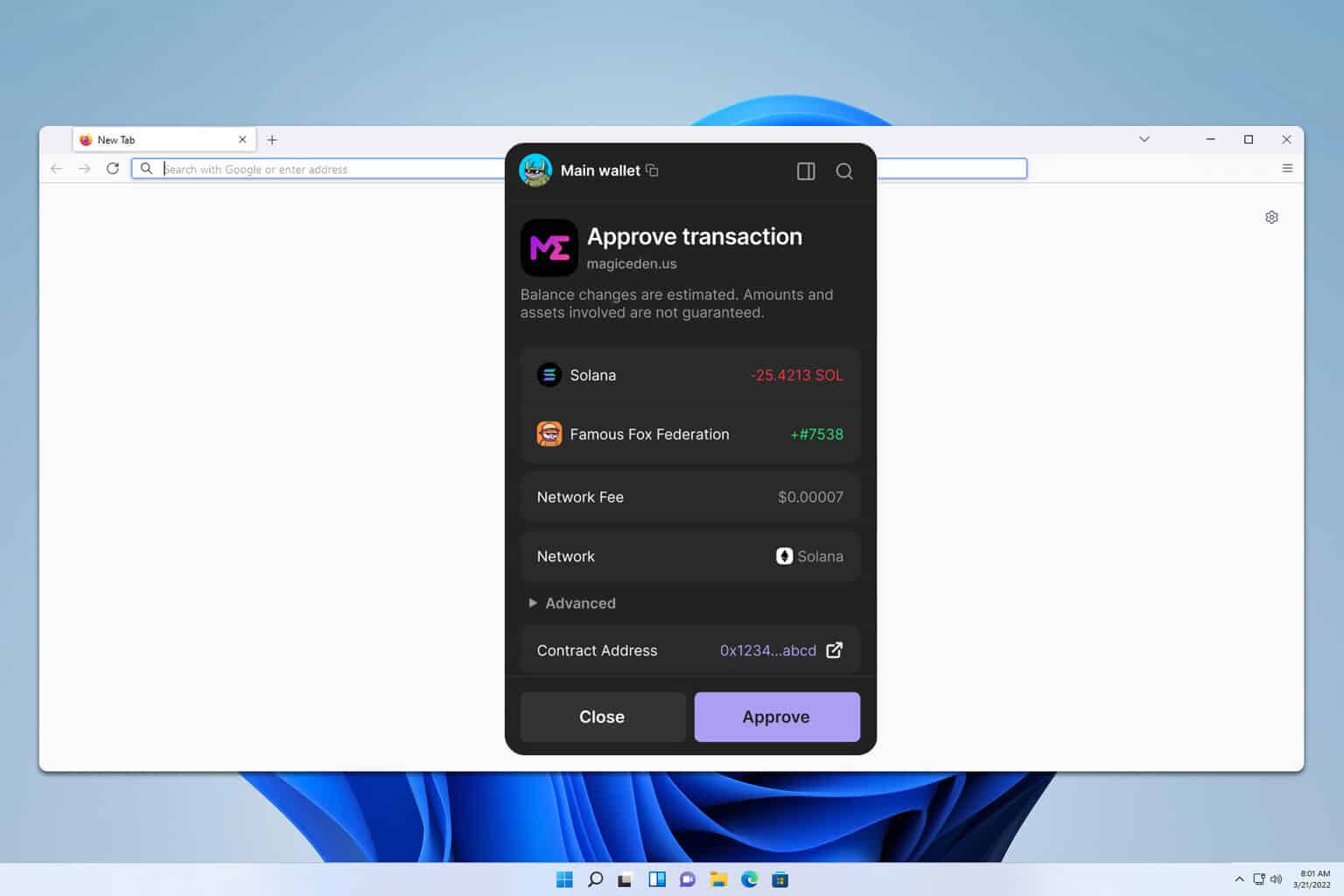
Phantom is a browser wallet for Solana that sits in your toolbar and manages keys, tokens, NFTs, and dApp connections. Hmm… that’s a mouthful. It signs transactions for you, stores private keys locally (encrypted), and tries to keep permission requests readable instead of cryptic. My first impression was „nice UI,” and then I realized the permission prompts are legible enough that I can make smarter choices.
Why the extension and not just a mobile wallet? Because browser extensions give direct dApp connectivity (OpenSea-style interfaces on Solana, on-chain games, swap flows). They let you approve transactions inline, which is faster for desktop workflows. But again—faster means you might approve too quickly unless you slow down sometimes.
How to get the Phantom browser extension (and a safety caveat)
If you’re ready to try it, you can grab the extension through this link: phantom. Yep, that’s the one I use when I’m testing new setups. I’ll be honest—follow all normal checks before installing anything: verify extension publisher, read recent reviews, and check for typos on the download page (phishing sites often have small mistakes). Seriously, double-check—don’t rush.
My instinct said to prefer the official store listing (Chrome Web Store, Brave add-ons, etc.), but sometimes folks share mirrors or installer pages. On one hand those can be helpful for international users; though actually, official stores reduce a lot of risk. If somethin’ feels off—stop and research. I once ignored a tiny red flag and had to reset an account; lesson learned the hard way.
First-time setup: a practical checklist
Install, create a password, and write down your seed phrase offline. Wow! That first seed prompt is the scariest moment. Do not take screenshots. Do not copy paste to cloud notes. Do write the phrase on paper and store it somewhere secure. Trust me—I’ve seen very neat folks lose access because they treated the phrase like an optional receipt.
Then: enable auto-lock after short inactivity, set a strong extension password, and enable hardware wallet linking (Ledger/Trezor) if you plan to hold more than a prototype stash. Also, check the settings to disable automatic connections where available—manual control is worth the two extra clicks.
Using Phantom daily: tips from my desk
When connecting to a dApp, read the permission modal. Short sentence: read it. Longer thought: don’t just glance at „sign transaction”—look at the destination address and the token amounts, and if there’s anything mention of approvals or allowances, pause and think through the consequences before signing. My gut has saved me a couple times when I saw unusual approvals and clicked cancel.
For swapping: use small test trades until you trust a particular interface or aggregator. For NFTs: verify collection URLs and creators on social channels (but remember social accounts can be spoofed). For staking: check validator reputation and commission rates; sometimes lower commission isn’t always better if the operator is unreliable.
Security upgrades I use (and recommend)
1) Hardware wallet integration. If you hold meaningful sums, connect a Ledger and use Phantom as the UI only. This way, private keys never leave the hardware device. My experience: it’s slightly clunkier but totally worth the peace of mind—especially when I’m doing multi-signature or large transfers.
2) Separate accounts. I keep a small „hot” account for daily ops and a larger „cold” account for long-term HODLing. Yeah, it’s extra maintenance, but isolation reduces blast radius if something goes sideways.
3) Regular extension audits. Once a quarter I review connected sites and revoke permissions for anything I don’t use—easy to forget, but very effective at trimming risk.
What bugs me (and why I still use it)
Here’s what bugs me about browser wallets in general: some permission language is still too vague and token approvals can be scary. Also, ecosystem fragmentation means I sometimes switch between wallets for different dApps. That part bugs me. However, Phantom’s consistent UI and rapid feature updates make switching less painful.
On balance, I use Phantom because it streamlines common flows without hiding important choices. It isn’t flawless, though. There are times when a transaction pop-up doesn’t show the full complexity (wrapped tokens, program interactions, etc.), and that makes me slow down and double-check on-chain data when things feel unusual.
FAQ
Is the Phantom extension safe to use for beginners?
Yes, relatively—if you follow basic security: install from a trusted source, write down your seed offline, use strong passwords, and enable hardware wallets for larger holdings. Start small and learn the flow before moving big funds.
Can I recover my wallet if I lose the extension?
Yes. With your seed phrase you can restore the wallet in any compatible Solana wallet. No phrase, no recovery. So back it up properly (paper backup, safe storage).
What should I do if a dApp asks for an unlimited token approval?
Don’t approve unlimited allowances without understanding why. Limit approvals to specific amounts when possible, or use spend-limit tools. If you’re unsure, cancel and research the dApp’s reputation first.